
Why Do I Feel So Anxious in Relationships?
Relationship anxiety isn't about being "too sensitive"—it is an exhausting cycle driven by a nervous system that has learned to associate intimacy with uncertainty rather than safety.
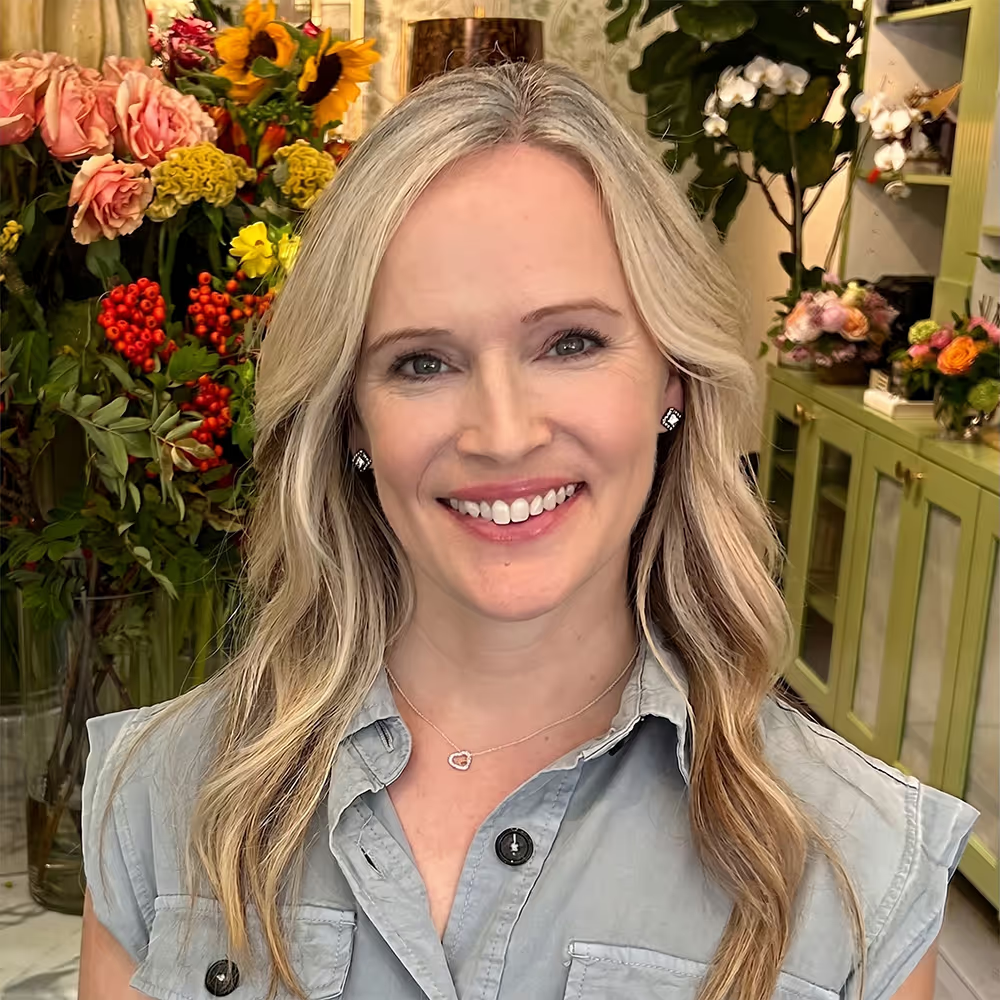

Understanding the deeper emotional patterns beneath relationship anxiety, overthinking, and fear of disconnection.
You may find yourself replaying conversations long after they end. Re-reading texts. Wondering if you upset someone, said too much, not enough, or somehow changed the way a person feels about you.
Part of you may know you are overthinking, yet another part still feels deeply unsettled, emotionally overwhelmed, or afraid of losing connection.
Relationship anxiety can feel exhausting. It can leave you constantly analyzing tone changes, searching for reassurance, feeling emotionally consumed by relationships, or struggling to calm your mind once fear or uncertainty takes over.
For many people, relationship anxiety is not simply about being “too emotional” or “too sensitive.” Often, it reflects deeper emotional patterns connected to attachment, emotional safety, past experiences, and fear of rejection, distance, or disconnection.
Many people who struggle with anxiety in relationships learned early on that connection did not always feel emotionally safe, predictable, or secure. You may have grown up feeling unseen, emotionally misunderstood, responsible for other people’s emotions, or afraid that conflict, disappointment, or emotional distance could threaten connection altogether.
Over time, the nervous system can begin associating relationships with uncertainty rather than safety.
As an adult, this may show up as overthinking interactions, needing reassurance, fearing emotional withdrawal, shutting down during conflict, or struggling to fully relax within relationships even when part of you knows you are safe. You may feel deeply affected by changes in tone, communication, closeness, or emotional availability in ways that feel difficult to explain to others.
Often, the anxiety is not really about the current moment alone. It is about what the relationship emotionally represents underneath — safety, closeness, reassurance, belonging, fear of loss, or fear of being hurt again.
Many people with relationship anxiety leave conversations mentally replaying every detail afterward:
“Did I say something wrong?”“Why did their tone change?”“Are they upset with me?”“Did I make things awkward?”
This usually is not because you are irrational or dramatic. Your mind may be trying to search for emotional safety, clarity, or reassurance before disconnection happens again.
When relationships have felt emotionally unpredictable, critical, inconsistent, or unsafe in the past, the nervous system often learns to stay alert for signs of emotional danger. Even healthy relationships can feel emotionally activating when your body has learned to expect hurt, rejection, criticism, abandonment, or distance.
Relationship anxiety often affects more than thoughts alone. You may notice your chest tightening during conflict, difficulty calming down afterward, trouble sleeping, emotional overwhelm, or feeling completely consumed by uncertainty within relationships.
Healing relationship anxiety is not about becoming emotionally detached or learning not to care. It is often about learning to feel safer within yourself and relationships again.
As healing happens, many people begin rebuilding self-trust, understanding their emotional patterns more clearly, calming nervous system overwhelm, and feeling less controlled by fear of rejection or disconnection. Relationships often begin feeling less emotionally consuming and more emotionally secure.
Therapy can help you better understand the deeper emotional patterns contributing to relationship anxiety while creating a space that feels emotionally safe, supportive, and grounded. Together, we can explore how past experiences, attachment patterns, emotional wounds, or unhealthy relationship dynamics may still be shaping how you feel and relate today.
Healing is possible. Relationships do not have to feel this emotionally exhausting forever. You deserve relationships where you feel emotionally safe, connected, and able to fully be yourself.