
Trauma & EMDR Therapy
You don’t have to keep carrying what happened to you alone. Trauma therapy is a space to feel safer in your body, in your relationships, and in your own story — gently, and at your own pace.


Who this is for
If you are carrying the weight of painful or overwhelming past experiences, you might feel stuck in patterns of anxiety, disconnection, and emotional distress that disrupt your daily life. Even when your mind knows a difficult event is over, your body and emotions may still react as if you are in danger.
- Emotional & Physical Toll: Feeling constantly jumpy, guarded, numb, or suddenly overwhelmed by intense fears and memories.
- Relational Impact: Struggling to trust others, feeling unsafe in relationships, or feeling completely alone.
- Daily Disruption: Experiencing poor sleep, persistent self-blame, or a general inability to feel fully calm and present.
- Avoidance Patterns: Going out of your way to avoid specific places, conversations, people, or feelings that trigger painful responses.
- Exhaustion from Pushing Through: Feeling completely drained from years of trying to stay strong and hold everything together.
Common Causes
Trauma can take root through overwhelming experiences- whether from a single painful event or wounds carried for years. For many people, what continues to feel emotionally “stuck” traces back to one or more of these:
- Childhood Trauma & Emotional Neglect — Growing up feeling unsafe, unseen, criticized, emotionally alone, or forced to stay in survival mode can leave lasting emotional effects that continue impacting relationships, anxiety, trust, and sense of self today.
- Betrayal, Abandonment, & Relationship Trauma — Painful relationship experiences can deeply impact emotional safety and trust. You may still carry fear, hurt, hypervigilance, self-blame, or difficulty feeling secure and connected with others.
- Overwhelming or Traumatic Experiences — Some experiences overwhelm the mind and body so deeply that they continue affecting you long after the event has ended. You may still feel emotionally triggered, on edge, unsafe, or stuck reacting as though the danger is still present.
- Unresolved Fear, Shame, & Emotional Pain — Trauma often leaves behind emotional pain that never had the chance to fully process or heal. Even years later, certain memories, emotions, or triggers may still feel emotionally heavy, intense, or deeply stuck inside.

How We Will Work Together
Because every person’s story, trauma history, and needs are unique, I draw from a variety of evidence-based approaches, including:
- EMDR (SAFE Method) – A trauma therapy that helps the brain and body process painful or overwhelming experiences in a safe, grounded way, with a focus on attachment, emotional safety, and nervous system healing.
- Attachment & Psychodynamic – A deeper therapy approach that explores how trauma, past relationships, and early experiences shape your emotions, sense of self, coping patterns, and relationships today.
- IFS – Helps you understand and heal different “parts” of yourself that may have developed through trauma, pain, or survival experiences with greater compassion and self-understanding.
- EFT – Focuses on understanding emotions, healing relational wounds, strengthening connection, and creating healthier relationship patterns.
- CBT – Designed to help you recognize unhelpful trauma-related thought and behavior patterns and develop healthier ways of coping, responding, and feeling more grounded in daily life.
My Experience
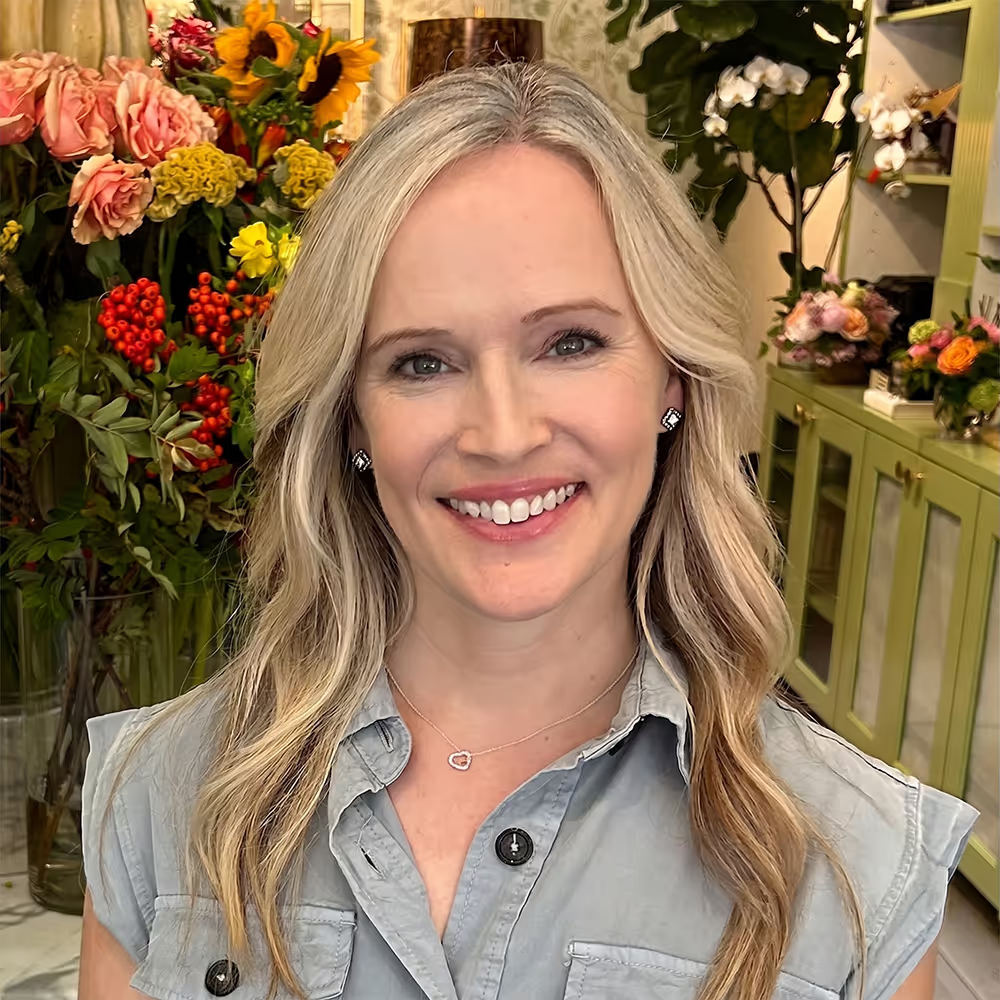
I am a trauma-informed therapist with advanced training and experience in working with trauma, attachment-related struggles, and emotional healing. I provide evidence-based care, including EMDR and IFS, within a safe, grounded, and emotionally-attuned therapeutic relationship.
My EMDR training is through EMDRIA-approved training, with additional specialization in the SAFE Approach, which incorporates somatic and attachment-focused perspectives into the healing process.

What's A Session Like?
Each session is collaborative and confidential, grounded in safety, trust, and connection. We’ll begin with what is most important to you and move at a pace that feels supportive and manageable.
Sessions may involve exploring present triggers, understanding relational and emotional patterns shaped over time, or developing new ways of coping and relating. My role is to provide guidance and support, offering a safe and attuned relationship where deeper self-understanding, healing, and lasting change can begin to take root.
Your Story Starts Here
The First Session
Our first session is focused on creating emotional safety, trust, and a foundation for the work ahead. We’ll gently explore what brings you in, how trauma may still be affecting your daily life, relationships, emotions, or sense of safety today — and move at a pace that feels supportive and manageable for you.
The Following Sessions
Many people begin noticing small shifts within the first several sessions as they begin feeling safer, more understood, and more able to trust both the therapeutic relationship and the healing process itself. With trauma therapy and EMDR, healing often happens gradually over time — with many clients beginning to feel lighter, more hopeful, emotionally safer, and less overwhelmed as the process continues.
Session Length & Rhythm
Sessions are typically 45–50 minutes, once a week.




Frequently Asked Questions
Don't let questions stop you from receiving the care you deserve.
How do I know if what I experienced was “traumatic enough” for therapy?
You may tell yourself it “wasn’t that bad” while still feeling deeply affected by it today. If what you experienced still impacts your emotions, relationships, sense of safety, or daily life, it matters.
Why does the past still affect me so much today?
It can feel confusing when part of you knows the experience is over, but your mind, body, or emotions still react strongly to reminders, stress, conflict, or closeness with others. Trauma often stays emotionally “stuck” until it has space to fully process and heal.
Can trauma therapy help if I feel emotionally numb, overwhelmed, or stuck?
Yes. Trauma can leave you feeling disconnected from yourself, reactive, shut down, or exhausted from carrying so much internally for so long. Together, we work toward helping you feel safer, more connected, and less controlled by the past.
What is EMDR therapy?
EMDR (Eye Movement Desensitization and Reprocessing) is a therapy approach designed to help the brain and body process painful or overwhelming experiences that may still feel emotionally “stuck.” Many people seek EMDR when past experiences continue affecting anxiety, emotional triggers, relationships, self-worth, or their sense of safety in daily life.
What can I expect during EMDR therapy?
Many people feel nervous about EMDR at first, especially if talking about painful experiences already feels overwhelming. EMDR focuses on creating emotional safety, trust, and grounding first — allowing your brain and body to process painful memories more peacefully over time, without needing to relive every detail of what happened. During EMDR, we may use gentle forms of bilateral stimulation, such as eye movements or tapping, while helping your mind and body process experiences in a way that often feels less emotionally overwhelming over time. Many clients describe feeling lighter, calmer, less reactive, or less emotionally “stuck” as healing progresses.
Can any therapist provide EMDR therapy?
EMDR should be provided by a therapist who has completed specialized EMDR training beyond a general counseling degree. Proper training helps support a process that feels safe, emotionally grounded, and paced in a way that supports nervous system regulation throughout the work. I am EMDR-trained through EMDRIA-approved training, with additional training in the SAFE Approach, which incorporates somatic and attachment-focused perspectives into the healing process.


Begin Your Healing Journey
Therapy can be a place to better understand yourself, untangle what feels heavy, and begin creating lasting change.